Lesson Plans & Student Work
I design high school–level art projects and scaffold them so every middle-level student can experience meaningful creative success. My students regularly produce work that is mistaken for high school or early studio foundations, and many begin the year unsure of their abilities but grow into confident, capable young artists. The lessons below show both the rigor of the curriculum and the strong technical and conceptual growth my students demonstrate throughout the year.
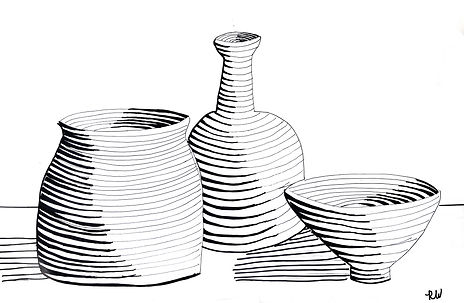
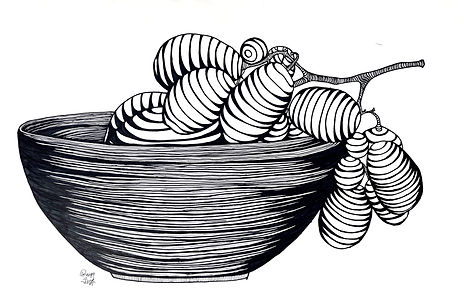
Cross-Contour Line Drawings (18x22”)
Project Overview:
Students created large-scale cross-contour drawings on 18x22” paper — a size more commonly used in high school foundation courses. This project pushes students to think about form, line direction, and the way contour wraps around 3D structure.
Why this project is advanced:
Students learned how to scale a reference image using the grid method, establishing accurate proportions before adding complex, flowing cross-contour lines. This requires patience, spatial reasoning, and strong observational skills.
Skills Developed:
-
Grid scaling (high school technique)
-
Cross-contour line wrapping
-
Form + volume
-
Advanced mark-making
-
Visual flow & structure
Student work:
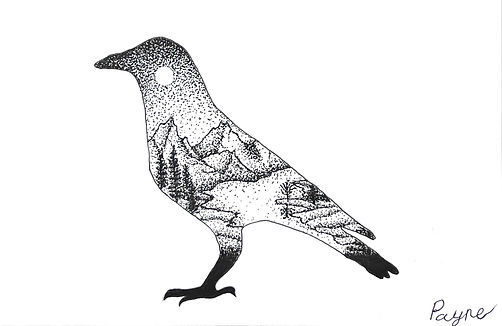
Double Exposure Illustration (Pen & Ink)
Project Overview:
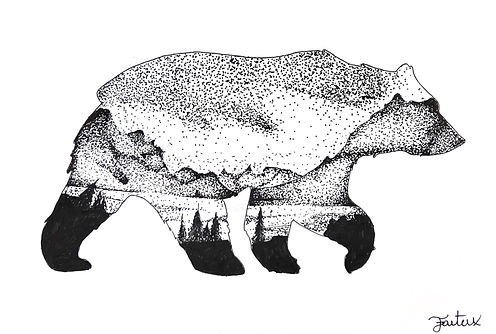
In this unit, students learned how to combine two images into a single conceptual illustration—an animal silhouette filled with a symbolic inner scene. This project strengthened their ability to communicate story, mood, and identity through visual metaphor while building confidence with advanced pen-and-ink techniques. Inspired by the works of Thiago Bianchini.
What students learned:
-
Stippling + Value Control: Students created a detailed value scale using stippling to understand contrast and depth.
-
Contour & Form: They practiced controlled ink techniques to maintain clean silhouettes and strong edges.
-
Conceptual Thinking: Students chose an animal that represented an aspect of identity, personality, or symbolism.
-
Visual Metaphor: Inside the silhouette, they illustrated a landscape, memory, dream, or symbolic environment.
-
Composition & Balance: Students planned how the internal and external elements interact to create visual harmony.
Skills Developed:
-
Fine-motor control with ink
-
Stippling value gradients
-
Symbolism + meaning-building
-
Layered composition
-
Advanced inking techniques
Student work:
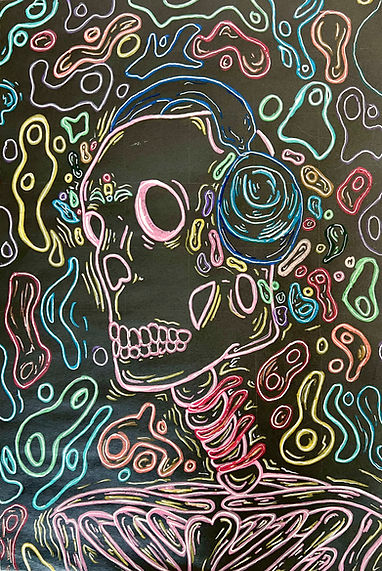
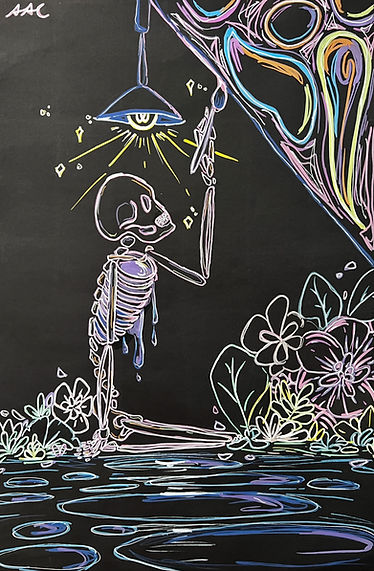
Neon Calaveras (Dia de los Muertos Illustration)
Paint Markers
Project Overview:
This project introduces students to the cultural symbolism of Día de los Muertos and the historical roots of calavera illustration. Students learned about José Guadalupe Posada, the Mexican printmaker whose iconic calavera drawings shaped the visual identity of the celebration and influenced generations of artists.
Using this historical context as inspiration, students created expressive neon calavera portraits that blend traditional symbolism with contemporary color design.
What students learned:
-
Art History Connection: How José Guadalupe Posada used calaveras to comment on society, culture, and identity — and why his artwork remains influential today.
-
Grid Drawing for Accuracy: Students used a grid enlargement method to map out the skull structure from reference photos, helping them draw accurate proportions of the eye sockets, cheekbones, teeth, and jaw.
-
Line Weight & Pattern: They practiced stylizing their calaveras with detailed floral patterns, symmetrical motifs, and expressive linework.
-
Neon Color Theory: Students learned to balance vibrant neon markers with neutrals to create glow, contrast, and depth.
-
Mixed Media Techniques: Layering pen, fine-liner, and neon pigments to build a polished final illustration.
Skills Developed:
-
Grid scaling and proportional accuracy
-
Floral + symbolic pattern design
-
High-contrast neon color application
-
Cultural literacy and historical awareness
-
Line weight control & composition
-
Layered mixed-media rendering
Student work:
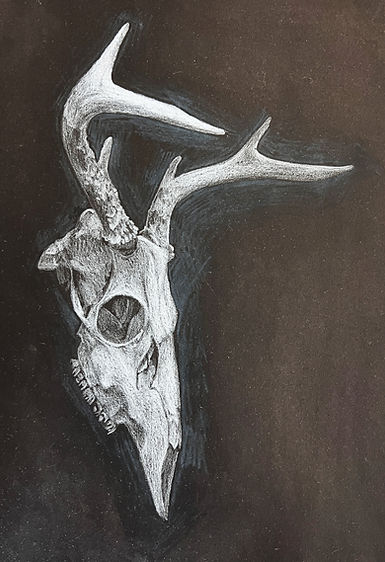
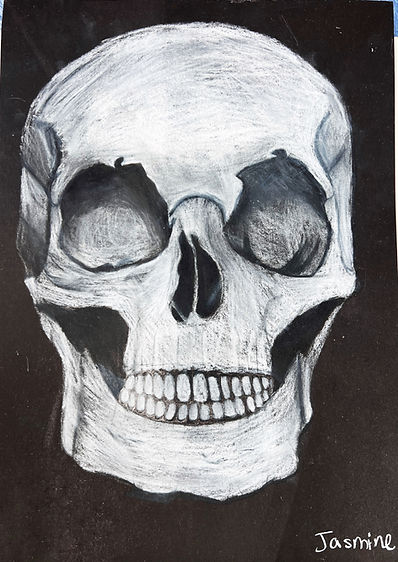
Reverse Shading – Colored pencil on Toned Paper
Project Overview:
In this unit, students learn reverse shading by working on toned paper. Instead of starting with darks, they begin by building the light—using white colored pencil to develop highlights and using black pencil only for the deepest shadows. The toned paper becomes the midtone, teaching students how to control value with precision.
Students use the grid method to accurately scale and draw an animal skull reference image before rendering.
What students learned:
-
How to “draw the light” using white pencil on toned paper
-
How to combine white + black colored pencil for realistic value range
-
How midtones naturally come from the paper itself
-
How to enlarge and map proportions using the grid method
-
How to blend colored pencil smoothly for realistic form
-
How to analyze subtle value shifts in a reference image
Skills Developed:
-
Reverse shading technique
-
Proportional accuracy (grid method)
-
Value structure + contrast
-
Precise mark-making
-
Observational drawing
-
Realistic rendering
Why it Matters:
Reverse shading strengthens visual perception because students must identify and build highlights intentionally—something most beginners struggle with. Working on toned paper gives them immediate success and produces pieces that look high school level, increasing confidence and artistic identity.
This project is a direct extension of your value sphere skill-builder, allowing students to apply shading concepts in a more advanced, representational way.
Student work:
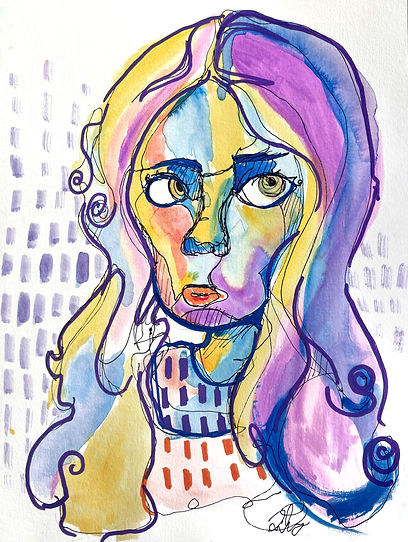
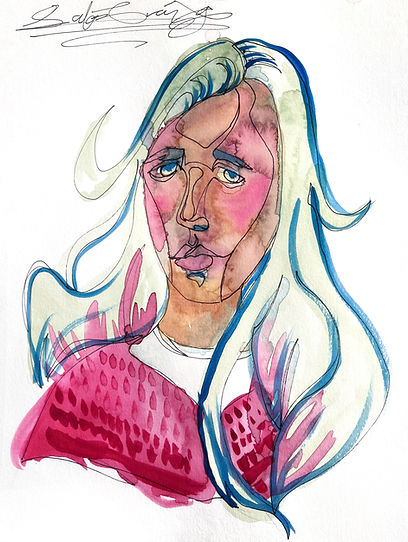
Continuous Line Portraits (Contour Line + Watercolor Expression)
Project Overview:
In this quick expressive study, students created continuous-line portraits using blind and semi-blind contour techniques. The goal was to break perfectionism, embrace fluid mark-making, and develop confidence in expressive line.
What students learned:
-
Blind, semi-blind, and continuous contour techniques
-
Expressive line weight and emotional mark-making
-
Portrait proportion basics
-
Watercolor washes for mood, unity, and color story
-
Letting go of perfection to explore authentic style
Skills Developed:
-
Hand–eye coordination and observational accuracy
-
Confidence in long, uninterrupted lines
-
Understanding proportion through continuous mark-making
-
Watercolor layering for expressive mood + unity
-
Letting go of perfection to embrace personal style
Why it Matters:
Continuous line drawing trains students to slow down, observe deeply, and trust their hands. Because they must look at the subject more than the paper, it strengthens visual perception and breaks the habit of over-erasing or “drawing what they think they see.”
This study also helps students loosen up and explore expressive, fluid line quality—an important counterbalance to the highly technical skills in your other units. Adding watercolor afterward allows them to transform a loose contour drawing into a vibrant, intentional final piece, blending structure with artistic intuition.
Student work:
Culturally Inclusive Art Education
I intentionally design my curriculum so students encounter artists, stories, and visual traditions from many cultures—not just during special units, but woven throughout the year. Students study global art forms such as Día de los Muertos calaveras, contemporary multicultural portraiture, Indigenous patterns, symbolic flags from around the world, and techniques rooted in Asian, Latin American, African, and Middle Eastern art practices. We analyze how artists use color, symbolism, and visual storytelling to reflect identity and heritage, and students apply these ideas to their own creative choices.
I prioritize representation by showcasing diverse artists in my slideshows, offering culturally responsive prompts, and encouraging students to connect their lived experiences to their artwork. Whether through exploring personal identity, studying international celebrations, examining global design motifs, or creating artwork inspired by cross-cultural perspectives. My goal is for every learner to feel seen, respected, and empowered—both as artists and as members of a global community.
These multicultural explorations help students build empathy, global awareness, and a deeper understanding of how art functions across cultures and identities.